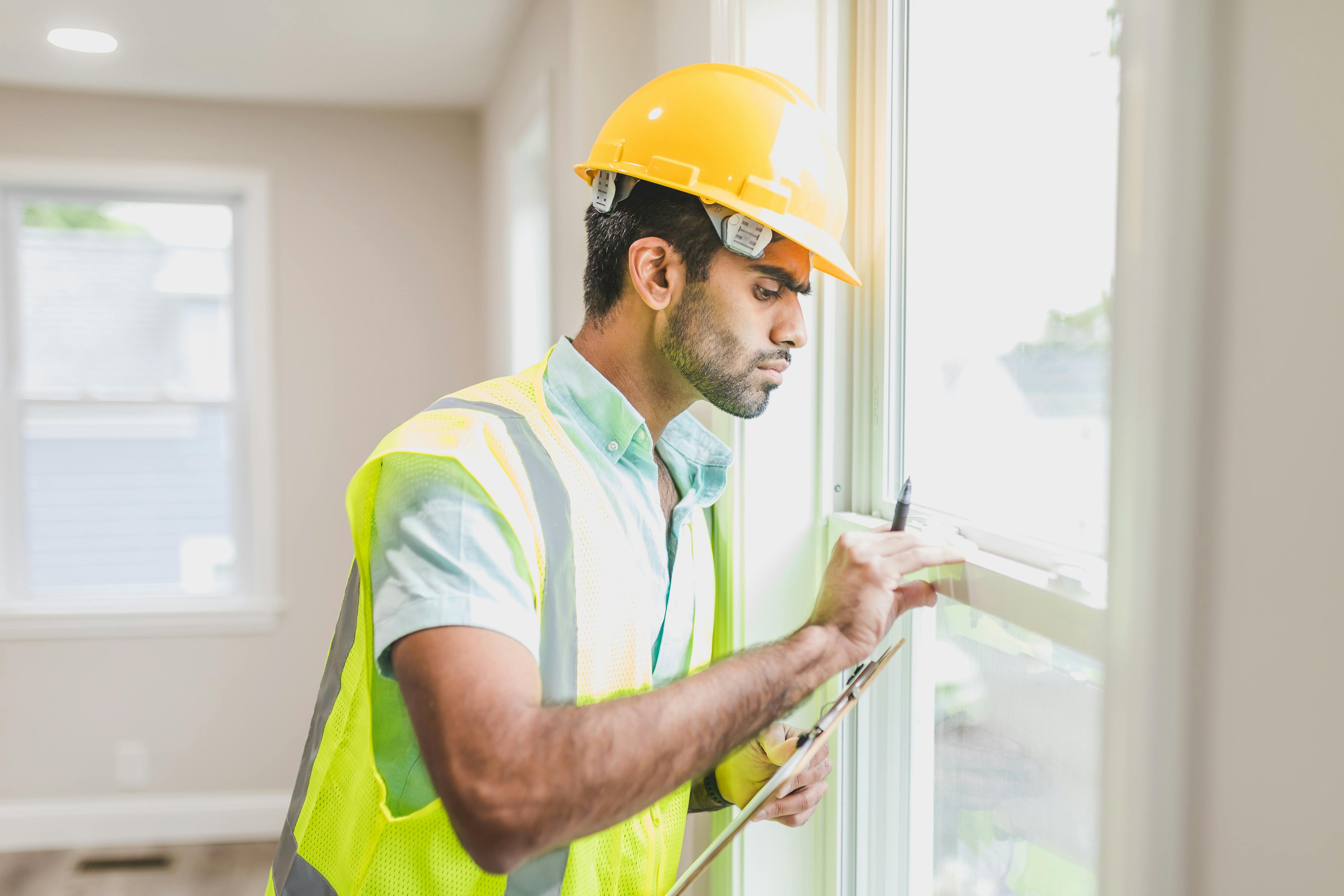
We at HIC noticed that buyers tend to ask the same questions. That’s completely understandable. For most people, buying a home is the biggest financial decision they’ll ever make, and the inspection process can feel unfamiliar and even intimidating.
We’ve compiled answers to the seven questions we hear most often from our clients. Whether you’re a first-time homebuyer or you’ve been through this process before, understanding what to expect from your home inspection will help you feel more confident as you move toward closing.
How Long Does a Home Inspection Take?
The short answer is that most home inspections take between two and four hours, but the exact timeline depends on several factors.
The size of the home is the biggest variable. A 1,200-square-foot condo might only require two hours, while a 4,000-square-foot house with a finished basement could easily take four hours or more. The age and condition of the property also play a role. Older homes typically require more time because there are often more systems to evaluate and potential issues to document.
The number of additional services you request will extend the timeline as well. If you’ve added a radon test, sewer scope, or termite inspection to your package, you should plan for extra time. We always build in enough time to be thorough rather than rushing through the process. A home inspection isn’t something you want done quickly; you want it done right.
Can a House Fail a Home Inspection?
This is one of the most common misconceptions about home inspections. Technically, a house cannot “fail” an inspection because we’re not providing a pass-or-fail grade. Instead, we’re providing you with information about the current condition of the property.
Every home has issues. Even brand-new construction can have defects or items that don’t meet building codes. The purpose of the inspection is to identify any problems, both major and minor, so you can make an informed decision about whether to move forward with the purchase.
That said, some inspection findings are more serious than others. Significant structural damage, a failing foundation, electrical hazards, or evidence of active roof leaks are all red flags that might give a buyer pause. But even these issues don’t automatically mean you should walk away. Some buyers are willing to take on renovation projects if the price is right.
The inspection report gives you negotiating power. You might ask the seller to make repairs, request a price reduction, or decide the issues are too extensive and exercise your inspection contingency to back out of the deal. The choice is always yours.
Should Buyers Attend the Home Inspection?
Absolutely. We strongly encourage buyers to attend their home inspection, and here’s why.
When you attend the inspection, you get to see the home through the eyes of a professional. We’ll walk you through the property, point out potential concerns, and answer your questions in real time. You’ll learn about maintenance issues you should be aware of, how various systems work, and what you can expect in terms of future repairs or replacements.
The written report we provide is comprehensive, but there’s something valuable about being present during the inspection itself. You’ll get a better sense of the overall condition of the home, and you can ask us to clarify anything that seems confusing. Plus, you’ll leave with a much better understanding of the property you’re about to purchase.
If you can’t attend the entire inspection, try to at least come for the final walkthrough. That’s when we summarize our findings and highlight the most important items you should know about.
When Should You Schedule a Home Inspection?
Timing matters when it comes to scheduling your home inspection. You should book your inspection as soon as your offer has been accepted and you have an executed purchase agreement in place.
Most purchase contracts include an inspection contingency period, which is typically seven to ten days from the date of acceptance. This window gives you time to complete the inspection and negotiate any repairs or adjustments based on the findings. You don’t want to waste those valuable days waiting to schedule your inspection.
Keep in mind that home inspectors can get booked up quickly, especially during busy real estate seasons in the spring and summer. The sooner you call to schedule, the better your chances of getting an appointment that works within your contingency timeline.
You should also coordinate with your real estate agent to ensure the seller is available to provide access to the property. Most inspections require electricity and water to be turned on so we can test all the systems and appliances.
What Happens If the Inspection Finds Problems?
Finding problems during a home inspection is normal; in fact, it would be unusual to complete an inspection without identifying at least some issues. What happens next depends on the severity of the findings and your willingness to negotiate.
After you receive the inspection report, you’ll want to review it carefully with your real estate agent. Together, you’ll decide which issues are deal-breakers, which ones you’d like the seller to address, and which ones you’re comfortable handling yourself after closing.
Common outcomes include asking the seller to make specific repairs before closing, requesting a credit at closing to cover the cost of future repairs, or negotiating a reduction in the purchase price. Some buyers choose to accept the property as-is if the issues are minor or if they’re getting a good deal on the house.
If the inspection reveals serious problems that the seller is unwilling to address, you can typically use your inspection contingency to withdraw from the contract and get your earnest money back. Your agent will guide you through this process and help you understand your options based on the terms of your purchase agreement.
What Is Included in a Home Inspection?
A standard home inspection covers all the major systems and components of the house. We’ll evaluate the structural elements, including the foundation, walls, ceilings, floors, roof, and attic. We’ll inspect the exterior of the home, including siding, trim, windows, doors, and grading.
Inside the home, we’ll test the electrical system, plumbing system, heating and cooling systems, and built-in appliances. We’ll check for proper ventilation, look for signs of water damage or moisture intrusion, and evaluate the overall condition of the interior spaces.
We’ll also inspect the garage, any decks or patios, driveways, walkways, and other accessible exterior structures. Our goal is to give you a comprehensive picture of the property’s condition from top to bottom.
You’ll receive a detailed report with photos documenting our findings, along with recommendations for repairs or further evaluation by specialists when necessary.
What Is NOT Included in a Home Inspection?
While a home inspection is thorough, there are some things we don’t cover during a standard inspection. We don’t inspect underground components like septic systems, private wells, or underground oil tanks. These require specialized testing that falls outside the scope of a general home inspection.
We also don’t inspect for environmental hazards such as mold, asbestos, or lead paint. These concerns require specific testing protocols and equipment. If you have concerns about any of these issues, we can arrange for additional testing or refer you to specialists who can help.
Home inspectors don’t evaluate pest infestations or wood-destroying insects like termites. You’ll need to hire a separate pest inspection company for that service. We also don’t inspect swimming pools, spas, or other recreational equipment; those require specialized inspectors as well.
Finally, we don’t provide engineering or architectural assessments. If we identify a potential structural issue during the inspection, we’ll recommend that you consult with a structural engineer for a more detailed evaluation.
Understanding what’s included and what’s not helps you plan for any additional inspections or tests you might need based on the specific property you’re buying.
Have more questions about the home inspection process? We’re here to help. Give us a call and we’ll walk you through what to expect every step of the way.