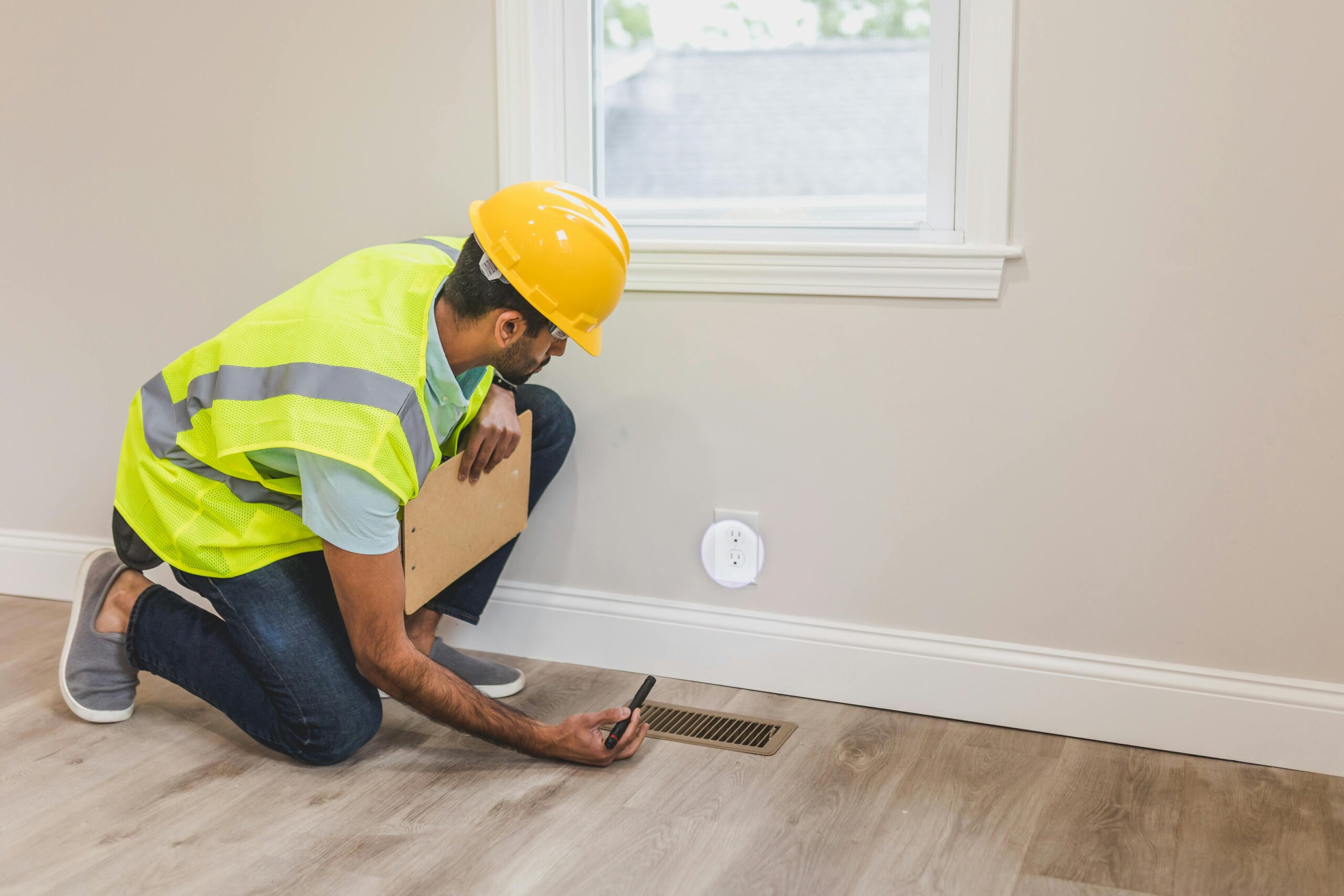
In most real estate transactions, the home inspection happens late in the process—after an offer is accepted, contingencies are negotiated, and expectations are already set. Increasingly, however, sellers are choosing to flip that sequence. A pre-listing home inspection, conducted before a property goes on the market, is becoming a strategic tool for homeowners who want more control, fewer surprises, and a smoother sale.
At a time when buyers are cautious, interest rates remain volatile, and deals can fall apart quickly, understanding the condition of a home up front can be a meaningful advantage. While a pre-listing inspection doesn’t eliminate every risk, it can change the dynamics of a sale in ways that benefit both sellers and buyers.
What a Pre-Listing Inspection Is, and Isn’t
A pre-listing inspection is a professional evaluation of a home’s condition commissioned by the seller before the property is listed. The scope is typically the same as a buyer’s inspection: structure, roof, electrical, plumbing, HVAC, insulation, and visible signs of water damage or deferred maintenance.
It is not a guarantee that a buyer won’t order their own inspection later, and it doesn’t replace disclosure requirements. What it does provide is early, independent information—before negotiations begin.
One of the most common reasons real estate deals fall apart is inspection-related conflict. Buyers discover issues they weren’t expecting, and sellers are forced into last-minute decisions: make repairs under pressure, agree to price reductions, or risk losing the deal altogether.
A pre-listing inspection reduces this uncertainty by shifting discovery to an earlier stage. When sellers know about issues in advance, they can decide how to handle them on their own timeline.
This often leads to:
- Fewer repair demands after an offer is accepted
- Less emotional stress during escrow
- A lower likelihood of buyers walking away mid-transaction
By the time a buyer makes an offer, many of the unknowns have already been addressed or priced in.
Pricing Accuracy
Pricing a home correctly is part art, part data, and part psychology. Condition plays a major role, but without an inspection, sellers are often guessing how buyers will perceive that condition.
A pre-listing inspection provides concrete information that can support pricing decisions. If a home is in excellent shape, sellers can price more confidently and defend that price with documentation. If there are known issues—an aging roof, an older HVAC system, or minor electrical concerns—those can be factored into the asking price upfront.
This can prevent the common scenario where a home appears well-priced at listing but ends up discounted after inspections reveal problems. From a market perspective, transparency early on tends to produce prices that hold up better through closing.
Buyer Confidence
For buyers, especially first-time buyers or those in competitive markets, uncertainty is a major source of anxiety. When sellers provide a recent inspection report, it signals preparedness and openness.
That signal matters. Buyers may feel more comfortable:
- Making an offer sooner
- Reducing the scope of their own inspection contingency
- Competing more aggressively on price or terms
In some cases, buyers still conduct their own inspection but use the pre-listing report as a baseline rather than a starting point. This can keep negotiations focused on substantive issues rather than minor discoveries.
More Control Over Repairs
When inspection issues are discovered after a contract is signed, sellers often react under deadline pressure. Contractors may be limited, costs may be higher, and decisions may be rushed.
A pre-listing inspection gives sellers the option to address repairs proactively, or not. Some sellers choose to make repairs in advance, improving the home’s condition and appeal. Others disclose the issues and sell “as-is,” but with clarity.
Either way, the key benefit is control. Sellers decide:
- Which repairs are worth making
- Which issues will be disclosed but not fixed
- How those decisions are reflected in price and marketing
This autonomy is harder to maintain once negotiations are underway.
Smoother, Faster Transactions
Time kills deals. The longer a transaction drags on, the more opportunities there are for financing issues, cold feet, or external disruptions. Homes that encounter inspection-related disputes often experience delays that ripple through the rest of the process.
By resolving or disclosing issues upfront, pre-listing inspections can streamline escrow. With fewer surprises, buyers and sellers spend less time renegotiating and more time moving toward closing.
This can be particularly valuable in situations where timing matters—job relocations, contingent purchases, or sellers who have already bought their next home.
Legal and Disclosure Advantages
In many states, sellers are legally required to disclose known material defects. A pre-listing inspection helps sellers meet that obligation more thoroughly.
From a legal standpoint, documenting that an inspection was conducted and disclosures were made in good faith can reduce the risk of post-sale disputes. While it does not eliminate liability, it can demonstrate diligence and transparency if issues arise later.
Real estate attorneys and agents often note that disputes are less likely when both parties had access to the same information early in the process.
When a Pre-Listing Inspection Makes the Most Sense
Pre-listing inspections tend to be especially valuable for:
- Older homes or properties with deferred maintenance
- Competitive markets where speed and certainty matter
- Sellers who want to minimize negotiation stress
- Estate sales or trust-managed properties where the seller has limited firsthand knowledge
In newer homes or hot markets with waived contingencies, the benefit may be less pronounced—but it is rarely zero.
A Shift Toward Transparency
Real estate has long been shaped by an asymmetry of information. Pre-listing inspections are part of a broader shift toward transparency, where informed buyers and prepared sellers can transact with fewer surprises and less friction.
For sellers, the inspection is less about uncovering perfection and more about understanding reality. Knowing the condition of a home before listing doesn’t just reduce risk—it allows sellers to tell a clearer, more credible story about what they’re selling.
In a market where trust and efficiency are increasingly valuable, that clarity can be a quiet but meaningful advantage.