Selling a home is a major undertaking, and one of the most crucial steps in the process is the home inspection. Buyers rely on these reports to assess the condition and overall shape of the property, while for sellers they can be a way to help ensure that no surprises come up during the sales process.
Still, the outcome can significantly impact negotiations. A thorough home inspection can either solidify a buyer’s confidence in the purchase or raise red flags that lead to renegotiations, price reductions, or even a collapsed deal. That’s why, as a seller, being proactive and well-prepared for a home inspection can make a substantial difference in the overall success of your transaction.
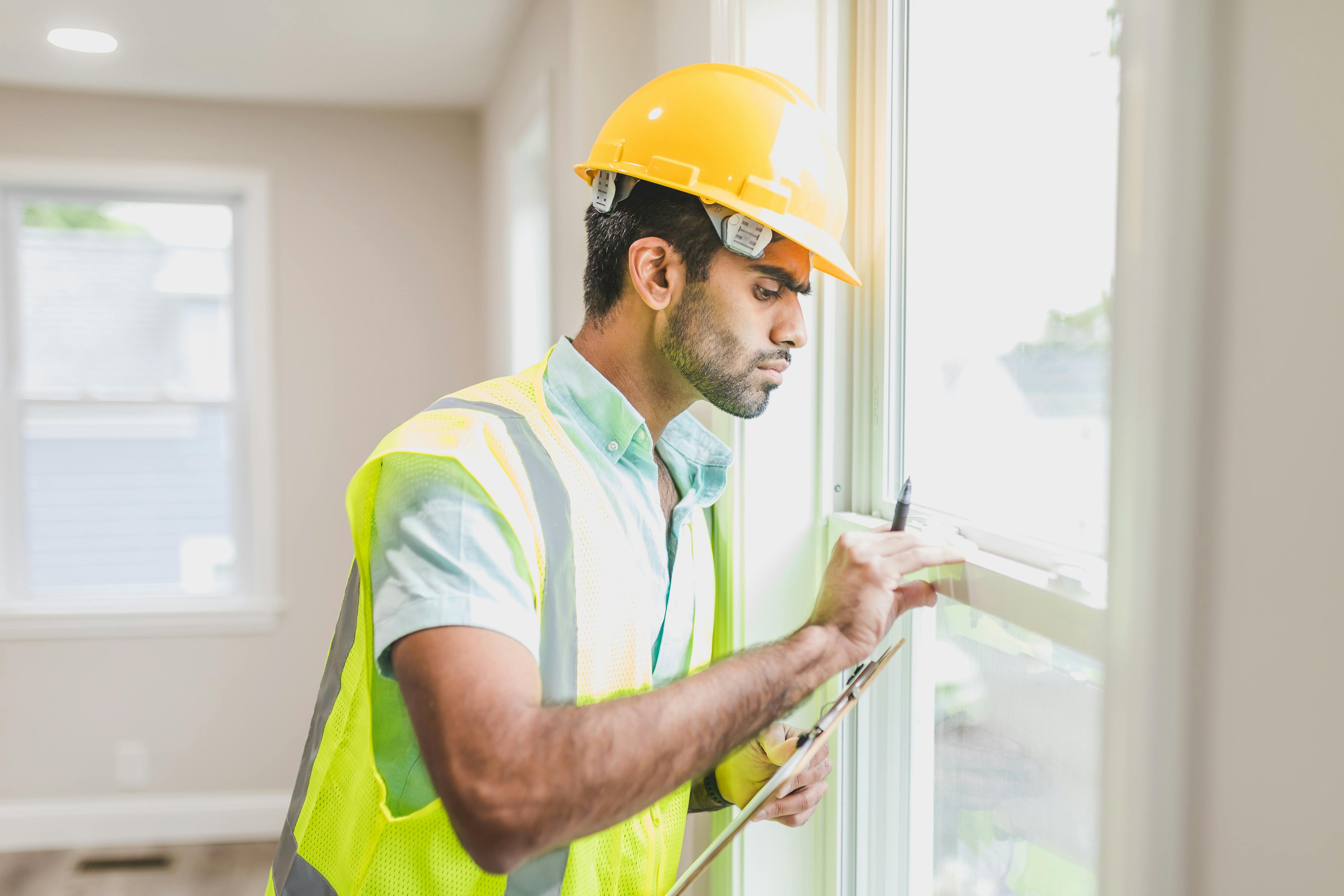
A home inspection typically involves a professional inspector examining the home’s integrity and overall safety of the home. This includes evaluating components such as the roof, exterior envelope, plumbing, electrical systems, and HVAC. Even minor issues can cause hesitation for potential buyers, making it essential to address problems beforehand.
Proper preparation can help ensure a smooth inspection and prevent surprises that could derail the sale. By taking the time to fix minor repairs, clean and declutter, and provide necessary documentation, sellers can present their homes in the best possible condition. The goal is to minimize concerns, demonstrate a well-maintained property, and facilitate a seamless transition to closing.
The Importance of a Home Inspection
Home inspections provide buyers with an in-depth evaluation of the property’s condition, both inside and outside, with an eye toward problems that could develop down the road. Inspectors examine a wide range of structural components and home systems and, if major issues arise, buyers may request repairs, negotiate a lower price, or even back out of the deal.
As a seller, your goal is to present your home in the best possible light. Here is an overview of steps you can take as a seller to do just that.
- Tackle Repairs in Advance
Before the inspection, address obvious maintenance and repair issues:
- Fix leaks, running toilets, and faulty faucets.
- Replace burnt-out lightbulbs and test all electrical outlets.
- Ensure doors and windows open and close properly.
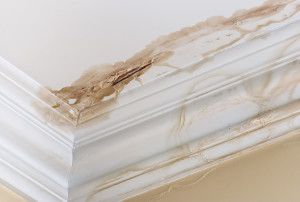
- Patch up holes or cracks in walls and ceilings.
- Service the HVAC system to confirm it functions efficiently.
Handling these minor repairs before the inspection can prevent red flags that might cause buyers to second-guess their purchase. They are also generally easy fixes that most homeowners can handle on their own without calling in a professional.
- Clean and Declutter
A clean home signals to inspectors and buyers that the property is well-maintained. Declutter all of your spaces, especially around electrical panels, furnaces, and water heaters, so the inspector has easy access to what they need. What’s more, ensure attics, basements, and crawl spaces are clear for proper evaluation.
- Check the Exterior
Curb appeal matters, even during an inspection, and there are many red flags on the outside of your home that could find their way into your final report. It makes sense to take time to:
- Clear gutters and downspouts.
- Trim overgrown bushes and trees away from the house.
- Fix any loose or damaged siding, roof shingles, or exterior paint.
- Ensure proper grading and drainage around the foundation.
- Clean up excess mulch or stone landscaping.
- Ensure All Utilities Are Connected
Even if the house is vacant, ensure all utilities—water, electricity, and gas—are on for the inspection. Inspectors need to check appliances, outlets, and plumbing fixtures in order to provide a full report, and will need everything up and running in order to test each system for proper function.
- Collect Any Necessary Documents
A home inspection includes more than just a review of your home’s structure and systems. You also need to share the receipts and proof that certain work was done when you say it was. Make things easier for the inspector and buyer by preparing a folder with:
- Receipts for repairs or maintenance work.
- Warranties for major appliances or systems.
- Past inspection reports, if available.
- Documentation on roof replacements, remodels, or upgrades.
- Before and after photos of any major work.
This transparency reassures buyers that the home has been properly maintained.
- Make Plans for Pets and Occupants
Most of the time, a home that’s for sale still has people living in it, so it can be challenging to vacate the premises entirely during a home inspection. But the inspector will need full access to the home in order to assemble a comprehensive report, so plan to be away during the course of the inspection. Also, be sure to take your pets with you or secure them in a safe area to avoid disruptions.
- Do a Final Walkthrough Before the Inspection
Before the inspector arrives, do a last-minute check of everything you can to ensure the process goes smoothly and you don’t end up with a negative report:
- Run all faucets and check for leaks.
- Flush toilets and ensure they function properly.
- Test light switches and garage doors.
- Check for unusual odors, which might indicate hidden issues.
- Open and close all of the windows to ensure they function properly. The same goes for doors.
The results of a home inspection can make or break a sale, but sellers who prepare in advance can minimize potential problems. By tackling repairs, cleaning, and ensuring the home is accessible, you increase the chances of a smooth process and a successful transaction.
Contact Home Inspection Consultants today to learn more about the home inspection process and how we can help.