Buying a home is one of the most significant financial decisions most people will ever make. The excitement of finding the right place can sometimes overshadow the practical steps that protect a buyer from making a very expensive mistake.
One of those steps, arguably the most important one after the offer is accepted, is the home inspection. It’s not glamorous. It’s not fun. But it can save you tens of thousands of dollars and spare you from years of regret.
Here’s why home inspections matter, what they actually do, and why skipping one is almost never worth the risk.
What is a Home Inspection?
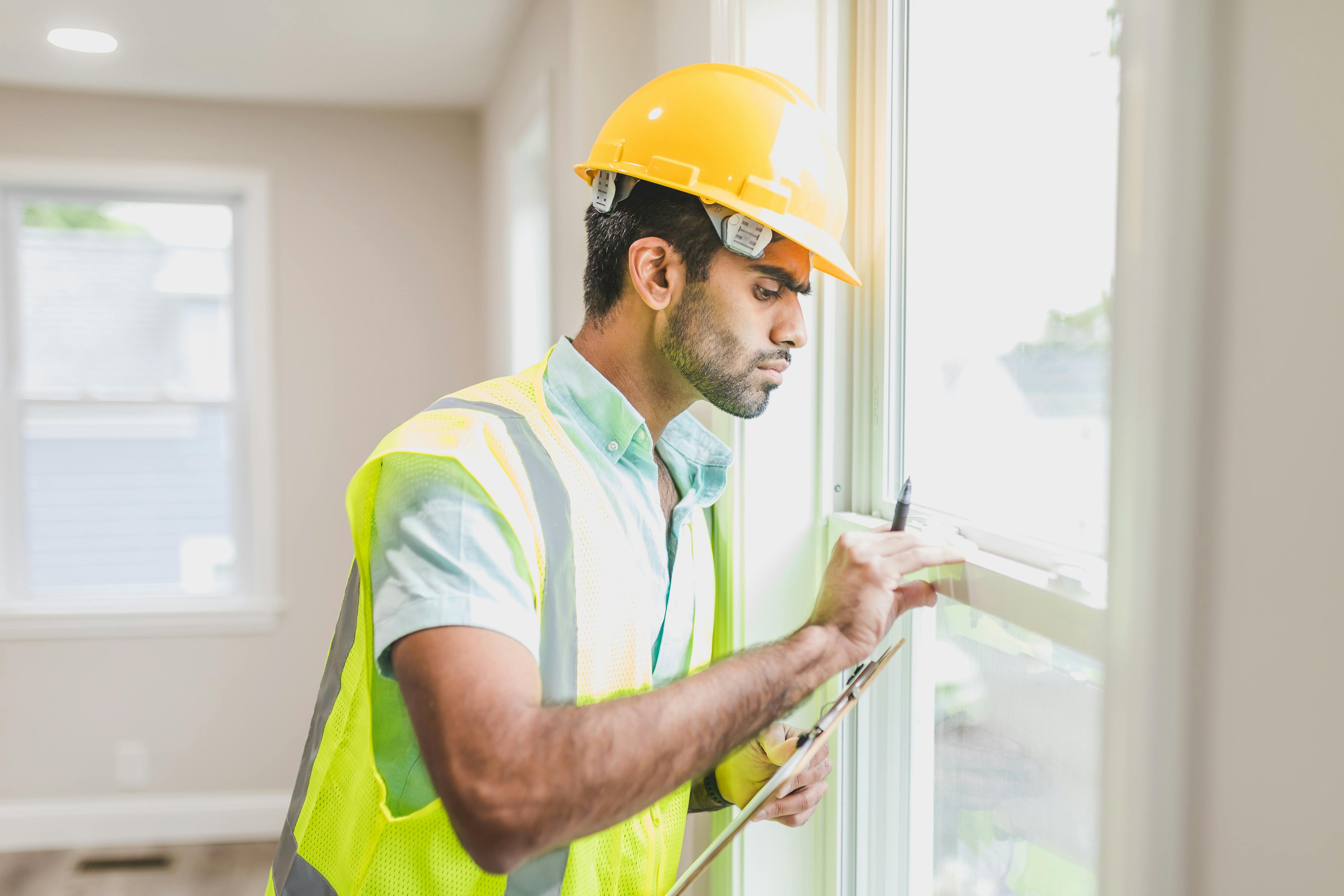
Simply put, a home inspection is a professional, visual examination of a property’s condition conducted by a licensed inspector. It typically takes two to four hours, depending on the size and age of the home, and covers everything from the roof to the foundation. The inspector evaluates the structural components, electrical systems, plumbing, HVAC, insulation, windows, doors, and more.
The result is a detailed written report, often running 30 to 50 pages, that documents the current condition of the home, flags any defects, and notes items that may need attention in the near future. This report becomes one of your most powerful tools in the buying process.
Uncovering What the Naked Eye Can’t See
Sellers aren’t always forthcoming about a home’s problems. Sometimes they genuinely don’t know about them. Either way, what looks like a pristine, move-in-ready home on a Sunday afternoon showing can tell a very different story once an experienced inspector gets into the attic, crawl space, and electrical panel.
Home inspectors are trained to spot red flags that the average buyer would completely miss. A subtle stain on a ceiling tile can indicate a slow roof leak that’s been quietly rotting the sheathing above. A slight slope in a floor could suggest foundation settling. Outlets that look fine might be ungrounded or improperly wired. A furnace that kicks on normally during a showing might be operating at the end of its useful life with a cracked heat exchanger, a potentially dangerous situation that’s invisible without the right tools.
These aren’t hypothetical scenarios. They happen in homes at every price point, in every neighborhood, every single day.
Giving You Negotiating Power
Once the inspection report is in hand, buyers have real leverage. If significant issues are discovered — a failing roof, an outdated electrical panel, water intrusion in the basement — you don’t have to simply walk away or accept the home as-is. You can negotiate.
Buyers can request that the seller make specific repairs before closing, ask for a price reduction to account for the cost of future repairs, or request a credit at closing so they can handle the work themselves with a contractor of their choosing. Sellers who are serious about closing a deal often accommodate reasonable requests, especially when the inspection report gives clear documentation of the problem.
Without an inspection, you have no leverage at all. You’re flying blind, and whatever problems exist become your problems the moment you sign the closing documents.
Protecting You from Major Financial Risk
Consider some of the most expensive repairs a homeowner can face:
- Roof replacement ($10,000–$25,000)
- Foundation repair ($5,000–$50,000+)
- HVAC system replacement ($7,000–$15,000)
- Mold remediation ($3,000–$30,000)
- Full electrical rewiring ($8,000–$20,000)
Any one of these surprises, discovered after move-in, can be financially devastating, particularly for first-time buyers who may have just stretched their budget to make the initial purchase.
A home inspection typically costs between $300 and $600. That’s a small price for what amounts to a comprehensive risk assessment of a $300,000, $500,000, or $1,000,000 asset.
Helping You Plan for the Future
A good home inspection isn’t just about finding deal-breakers. It also gives you a roadmap for the years ahead. Inspectors will note items that are functional now but nearing the end of their expected useful life. This information helps you budget and plan rather than be blindsided.
Buying a home means taking on maintenance responsibilities, and a thorough inspection report gives you a head start on understanding exactly what you’re inheriting. Instead of discovering that the water heater fails three months after move-in with no financial cushion, you can see it coming and set money aside.
Understanding Your Investment Before You Commit
There’s another dimension to home inspections that often goes unappreciated: the education they provide.
Most inspectors will walk through the home with you during the inspection and explain what they’re finding in real time. This is a rare opportunity to learn about the specific systems in your home, how to maintain them, what warning signs to watch for, where the main water shutoff is, how to change the HVAC filter, what that strange pipe on the side of the house actually does.
For first-time buyers especially, this knowledge is invaluable. You’re not just buying a house, you’re taking on stewardship of a complex physical structure, and understanding it from day one makes you a more capable and confident homeowner.
When Buyers Skip the Inspection, and Why They Shouldn’t
In competitive markets, buyers sometimes waive the inspection contingency to make their offer more attractive to sellers. This strategy carries real risk. Winning a bidding war only to discover a serious structural defect or a mold problem after closing is not a victory, it’s a trap.
If you’re in a situation where waiving the inspection feels necessary, consider alternatives: a pre-offer inspection (sometimes allowed before submitting a bid), or an inspection for informational purposes only (where you don’t make it a contingency but still have the knowledge). These options let you stay informed without putting the deal at risk.
A home inspection is not a formality. It’s not a box to check on the way to closing. It is a substantive, professional evaluation that protects your finances, your family’s safety, and your long-term investment. In a transaction involving hundreds of thousands of dollars, skipping it to save a few hundred, or to streamline an offer, is rarely worth the risk.