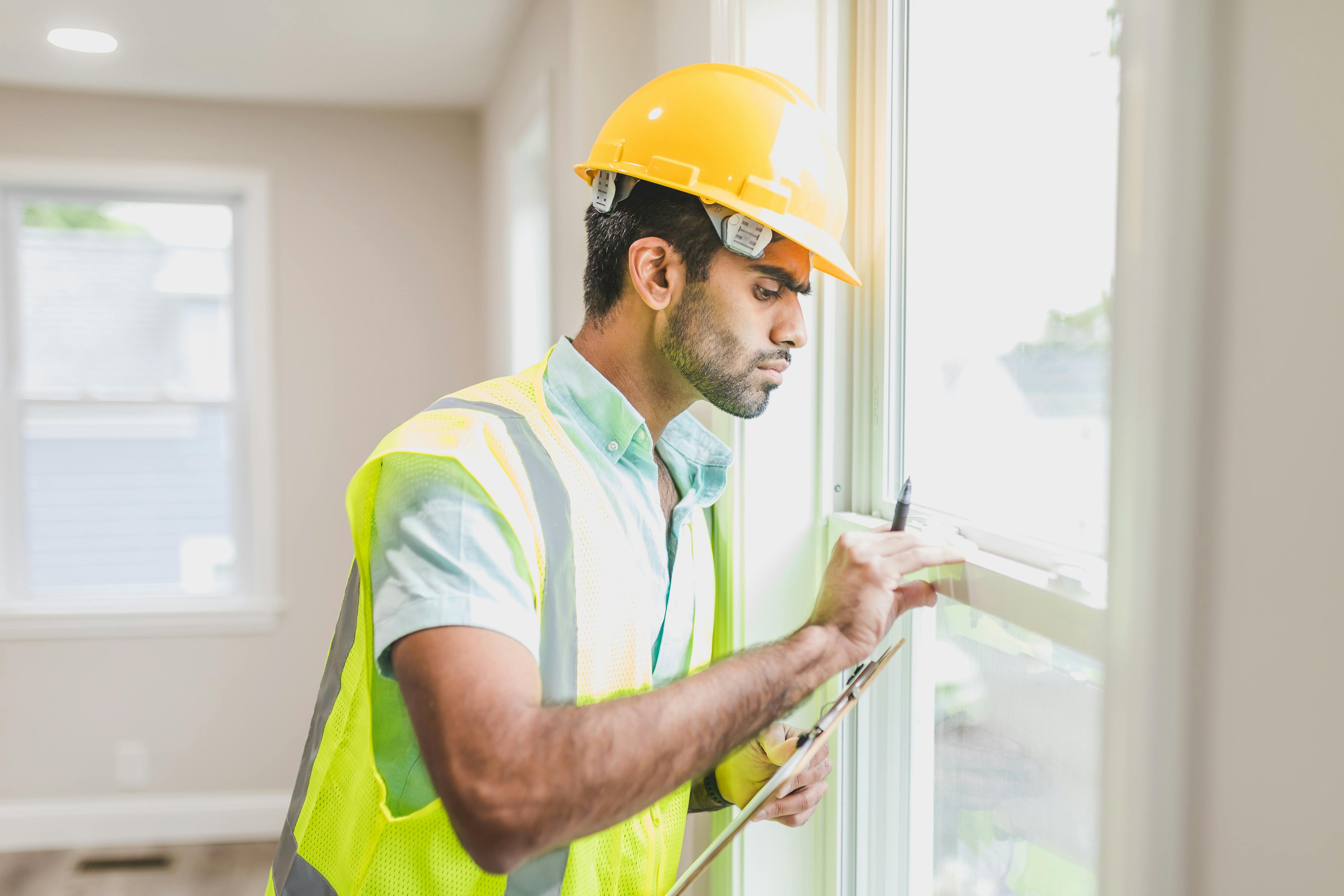
Buying a home is one of the most important financial decisions most people will make in their lifetime. With so much at stake, it’s crucial to ensure that the property is in good condition before finalizing the purchase. This is where a home inspection plays a vital role. A thorough home inspection can uncover potential problems, provide buyers with peace of mind, and even offer leverage in negotiations. Understanding the role of a home inspection in the home-buying process can help buyers make informed decisions and avoid costly surprises down the road.
What Is a Home Inspection?
A home inspection is a professional evaluation of a property’s condition. Conducted by a licensed home inspector, the process involves a detailed examination of the home’s structural components, systems, and overall safety. The goal is to identify any existing or potential issues that may require repairs or maintenance.
Home inspections typically cover:
- Foundation and structure – Inspectors assess the foundation for cracks, settling, or other structural concerns.
- Roof and exterior – Roof condition, gutters, siding, and drainage are evaluated for signs of damage or wear.
- Plumbing system – Water pressure, pipes, drains, and water heaters are inspected for leaks and functionality.
- Electrical system – Wiring, outlets, circuit breakers, and grounding systems are checked for safety and compliance.
- Heating, ventilation, and air conditioning (HVAC) systems – Inspectors ensure that heating and cooling systems are in good working order.
- Interior components – Walls, ceilings, floors, doors, and windows are reviewed for any defects or necessary repairs.
- Appliances – Built-in appliances such as ovens, dishwashers, and water heaters are tested for proper function.
- Basement and attic – These areas are checked for insulation, ventilation, moisture issues, and pest infestations.
Why Is a Home Inspection Important?
A home inspection is typically conducted after the buyer and seller sign a purchase agreement but before the closing process is finalized. This period, known as the due diligence phase, gives the buyer time to assess the property’s condition and decide on any next steps.
Identifying Hidden Issues: A home may look perfect on the surface, but underlying problems could be lurking beneath. Issues such as faulty wiring, plumbing leaks, or structural damage can be costly to fix. A home inspection reveals these problems before the buyer commits to the purchase, allowing them to make an informed decision.
Negotiation Power: If the home inspection uncovers significant issues, buyers can use the findings to negotiate with the seller. This may involve requesting repairs, lowering the purchase price, or asking for a credit to cover repair costs. A thorough home inspection report provides valuable leverage in these discussions.
Avoiding Future Expenses: Minor maintenance issues might not seem like a big deal at first, but they can escalate into major expenses over time. A home inspection helps buyers understand what repairs may be needed in the future, allowing them to budget accordingly. In some cases, it may even influence their decision to proceed with the purchase.
Ensuring Safety: Safety hazards such as mold, asbestos, radon, or carbon monoxide can pose serious health risks. A home inspection includes tests for these hazards, ensuring the home is a safe place to live. Buyers can then address any necessary remediation before moving in.
While a home inspection provides a snapshot of the home’s current condition, it doesn’t predict future issues. Components such as the HVAC system, appliances, or roof may still fail over time. Even newly built homes can have issues, such as faulty wiring, plumbing leaks, or improper construction. A home inspection is just as important for new homes as it is for older properties.
Once the inspection is complete, the home inspector provides a detailed report outlining their findings. The buyer then has several options:
- Proceed with the purchase – If the inspection report shows no major concerns, the buyer may move forward with confidence.
- Negotiate with the seller – If issues arise, the buyer can request repairs, a price reduction, or a credit toward fixing the problems.
- Walk away – If the inspection uncovers severe defects and the seller is unwilling to make concessions, the buyer may choose to back out of the deal.
A home inspection is an essential step in the home-buying process. It helps buyers uncover hidden defects, negotiate better terms, and avoid costly repairs down the line. By hiring a qualified inspector and carefully reviewing the findings, buyers can make confident, informed decisions about their investment. While no home is perfect, a thorough inspection ensures that buyers know exactly what they’re getting into before making one of the most significant purchases of their lives.