Purchasing a home is one of the most significant financial decisions a person can make. The excitement of discovering the perfect property and imagining your future is often overwhelming. In the whirlwind of open houses, mortgage applications, and negotiations, it can be tempting to cut corners to save time and money.
Skipping the home inspection may seem minor but can lead to significant risks.
What is a Home Inspection?
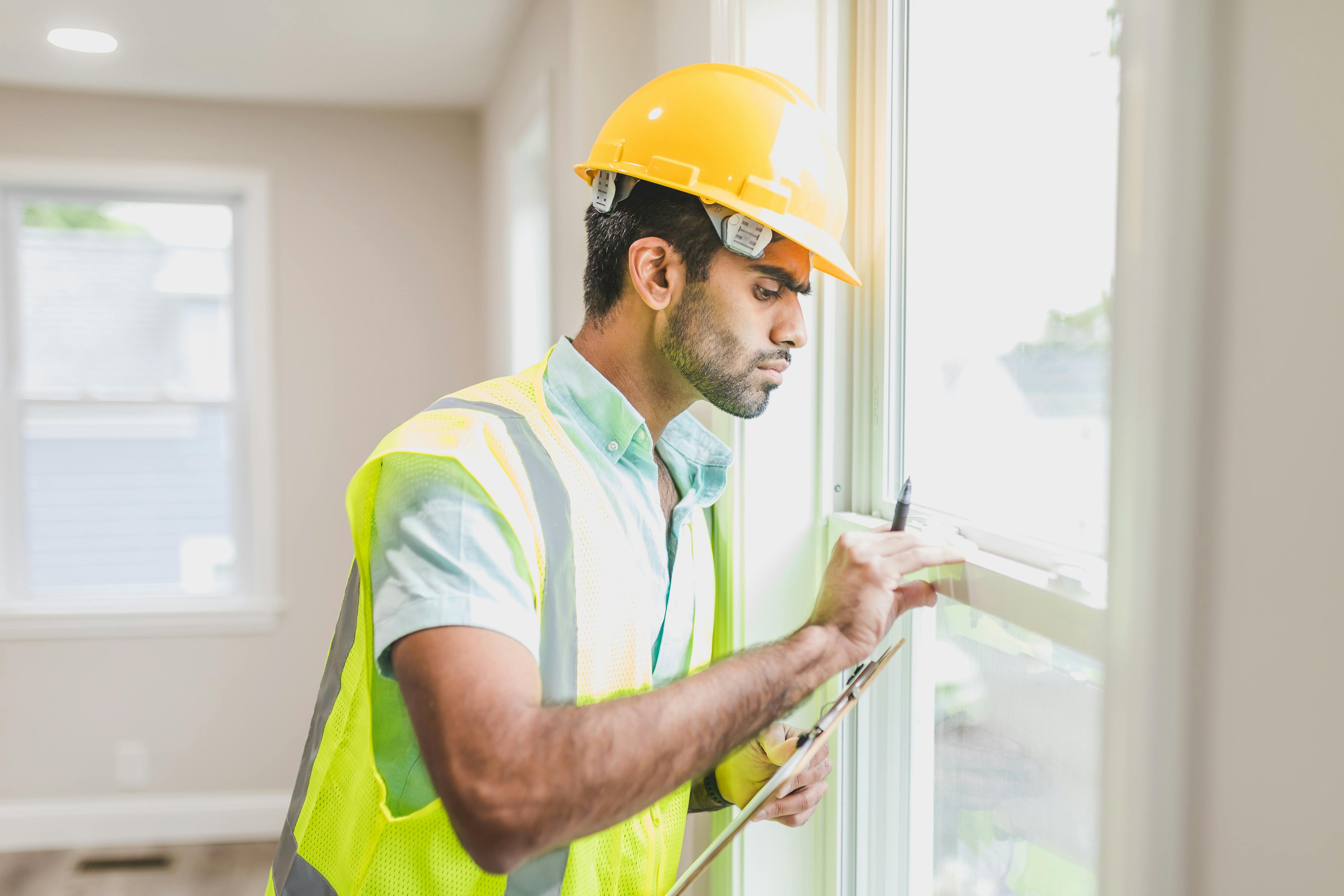
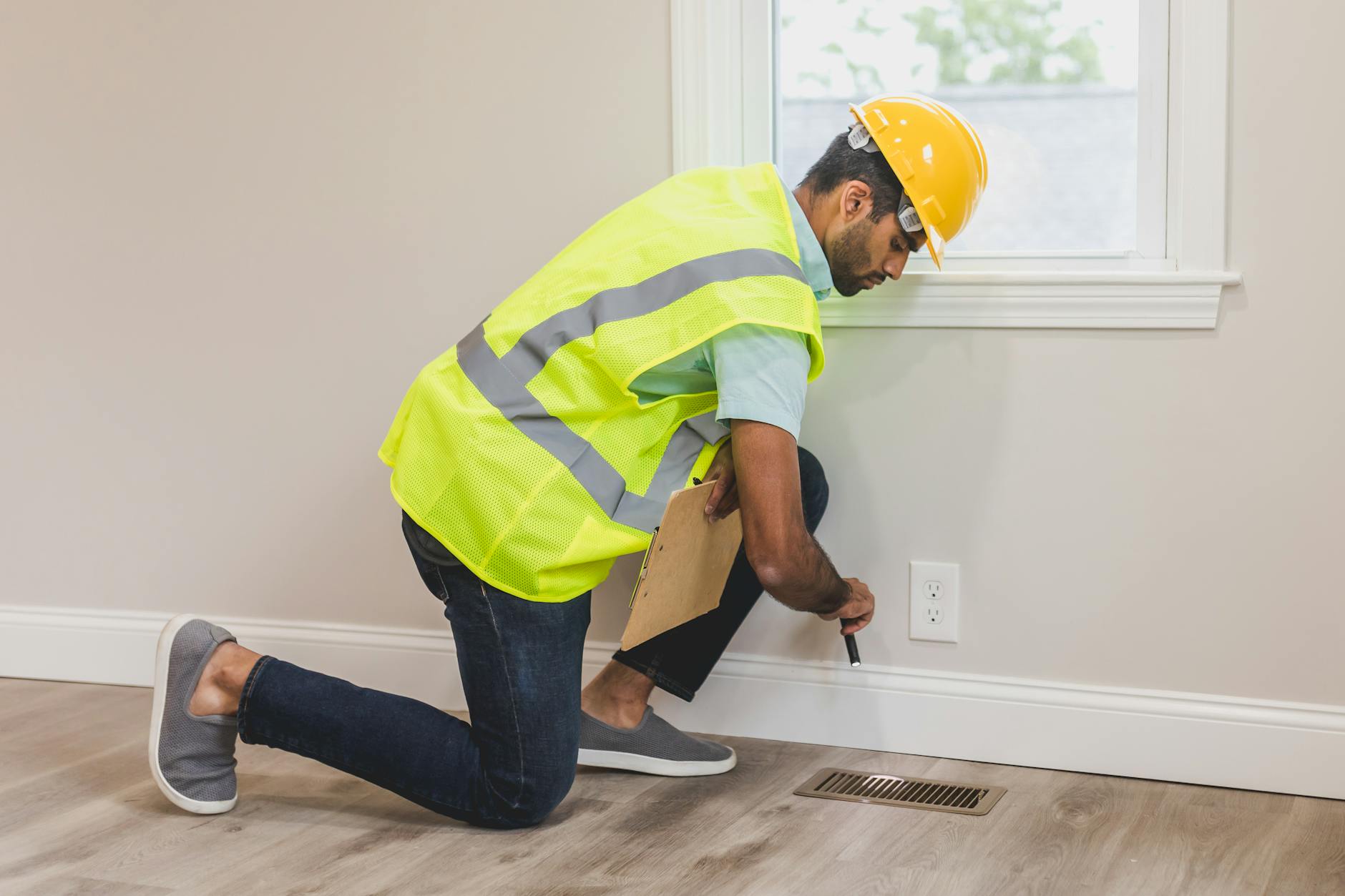
A home inspection is a visual examination of the readily accessible systems and components of a house. A qualified home inspector will assess the condition of the property, identifying any existing issues or potential problems. This typically includes:
- Structural Components: Foundation, walls, roof, ceilings, floors.
- Exterior: Siding, windows, doors, landscaping, driveways.
- HVAC (Heating, Ventilation, and Air Conditioning): Furnace, air conditioner, ductwork.
- Plumbing: Pipes, fixtures, water heater.
- Electrical: Wiring, outlets, circuit breaker panel.
- Interior: Walls, ceilings, floors, doors, windows, stairs.
The inspector will then provide you with a detailed report outlining their findings, often including photographs and recommendations for repairs or further evaluation.
Why Skipping a Home Inspection is Risky
Imagine falling in love with a house that appears perfect on the surface. You waive the inspection to make your offer more appealing in a competitive market or to save a few hundred dollars. Weeks after closing, you discover a leaky roof that’s causing mold growth, or faulty wiring that poses a fire hazard. Suddenly, your dream home has turned into a costly nightmare.
This scenario, while dramatic, is not uncommon. Here’s why skipping a home inspection can be a significant gamble:
- Uncovering Hidden Problems: A trained inspector has the expertise to identify issues that the average buyer might overlook. They know where to look for signs of water damage, structural weaknesses, pest infestations, and other potentially expensive problems. These hidden issues can cost thousands of dollars to repair down the line.
- Negotiating Power: The inspection report provides you with valuable leverage during negotiations. If significant issues are identified, you can ask the seller to make repairs, offer a credit at closing, or even reduce the purchase price. Without an inspection, you lose this crucial negotiating tool.
- Safety Concerns: Some defects, particularly those related to electrical or structural systems, can pose safety risks to you and your family. An inspection can identify these hazards, allowing you to address them before moving in.
- Avoiding Future Headaches: Addressing minor issues identified during an inspection can prevent them from becoming major, more expensive problems later. For example, fixing a small plumbing leak now can save you from dealing with extensive water damage in the future.
- Peace of Mind: Even if the inspection report comes back relatively clean, knowing that a professional has thoroughly assessed the property can provide significant peace of mind as you move forward with the purchase.
Are There Ever Exceptions?
While generally not recommended, there might be very specific situations where a full home inspection could be reconsidered:
- New Construction: While less common, even new homes can have issues. However, you might rely more heavily on builder warranties and your own thorough walk-throughs, potentially opting for a more limited inspection focused on specific areas.
- Demolition Plans: If your intention is to immediately demolish the existing structure, a comprehensive inspection might not be necessary.
- Extensive Renovation Plans: If you plan a complete overhaul of the property, you might focus your inspection on the fundamental structural elements.
- “As-Is” Sales: In some “as-is” sales, the seller may not be willing to negotiate based on inspection findings. However, even in these cases, an inspection can still be valuable for you to understand the full scope of potential repairs before committing to the purchase.
The Cost of a Home Inspection vs. the Cost of Neglect
A home inspection typically costs a few hundred dollars, depending on the size and location of the property. While this may seem like an additional expense during an already significant investment, it is a small price compared to the potential costs of undiscovered major repairs. Consider it an essential form of protection against unexpected and costly issues.
Is a home inspection necessary for buyers? The answer is overwhelmingly yes. While there might be rare exceptions, for the vast majority of home buyers, a professional home inspection is an invaluable safeguard. It provides crucial information about the property’s condition, empowers you during negotiations, and ultimately helps you make a more informed and confident decision about your significant investment. Don’t let the excitement of buying a home overshadow the importance of due diligence.
Contact us to schedule your inspection today!