Whether you’re buying your dream home or preparing to sell one, the home inspection report is a critical part of the real estate transaction process. This process can uncover hidden issues, provide negotiation leverage, and ultimately influence whether a deal moves forward or falls apart. Yet for many, it’s also a dense and technical report that’s difficult to fully grasp.
Let’s break it down into plain language — so both buyers and sellers can understand what to expect, what to look for, and how to respond.
What Is a Home Inspection Report?
A home inspection report is a professional assessment of a property’s physical condition. Conducted by a licensed inspector, the report outlines the current state of the home, from the roof to the foundation. It typically takes place after an offer is accepted, during the buyer’s due diligence period. The inspector will review the property’s condition, electrical and plumbing systems, heating and cooling units, appliances, the roof, exterior, and interior — among other components. Their findings are documented in a report that identifies any existing problems, potential issues, and recommended actions.
Why a Home Inspection Matters to Buyers and Sellers
For buyers, the inspection report can be both a safety net and a bargaining chip. It helps ensure you’re not walking into a financial headache by revealing problems that might not be visible during a typical walk-through. It also gives you leverage to negotiate repairs, request seller credits, or even reconsider the purchase altogether.
For sellers, the report helps you understand what buyers might flag during their inspection. Being proactive about potential issues can help you price your home more accurately or make preemptive repairs that lead to a smoother transaction. In some cases, sellers commission a home inspection before listing to avoid surprises later on.
What to Look for in a Home Inspection Report
While formats vary depending on the inspector, most reports follow a similar structure. They begin with general information such as the property’s address, the date of the inspection, and any limitations (like areas that weren’t accessible).
From there, the report often includes a summary of major findings. This is a high-level section that highlights the most significant or urgent issues — the kind that might affect habitability, safety, or major systems.
The bulk of the report consists of a detailed evaluation of individual home components. Inspectors assess the roof, exterior siding and drainage, foundation and structure, plumbing, electrical panels and wiring, HVAC systems, and interior finishes. Each section typically includes observations, photos, and comments on the condition and functionality of the systems in question. Most reports will also note whether something needs routine maintenance, repair, or further evaluation by a specialist.
Photos are a key part of the document. They help clarify written descriptions, especially for hidden or hard-to-see issues like attic insulation or plumbing leaks under the house. Diagrams may also be included to show where problems are located or how systems are configured.
What the Findings Actually Mean
Not every item in an inspection report is cause for alarm. Homes—especially older ones—often have quirks and minor flaws. A loose cabinet hinge or a dripping faucet is rarely a deal-breaker. These cosmetic or maintenance issues are expected and relatively inexpensive to fix.
Not all problems in an inspection report are deal-breakers. Here are some common findings — and how worried you should be:
Minor Issues
- Dripping faucets, missing smoke detectors, loose doorknobs.
- Response: Usually low-cost fixes. Not a cause for alarm.
Moderate Concerns
- Aging HVAC systems, older roofs, and minor foundation cracks.
- Response: Worth negotiating. May require a repair credit or service soon after purchase.
Major Red Flags
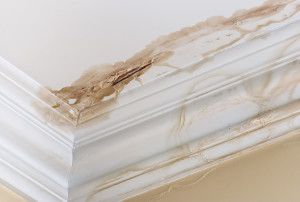
- Active roof leaks, mold, electrical hazards, structural issues, and plumbing leaks in crawlspaces.
- Response: These can kill a deal or lead to major renegotiations. It requires immediate attention and often a specialist’s opinion.
What Buyers Should Do with a Home Inspection Report
If you’re the buyer, read the entire inspection report carefully — not just the summary. Sometimes, smaller items buried deep in the report can have larger implications when looked at in context. Don’t hesitate to ask the inspector questions about anything that isn’t clear. A good inspector will be happy to explain what a finding means and whether it’s a minor fix or a major concern.
It’s also wise to get repair estimates from contractors if you’re considering asking the seller for credits or price reductions. Having real numbers on hand strengthens your negotiation position and helps avoid vague or inflated assumptions.
And finally, keep a balanced perspective. Even well-maintained homes often have a few things on the list. Focus your attention — and your negotiations — on the issues that truly matter: safety, function, and high-cost systems.
What Sellers Should Do with a Home Inspection Report
If you’re planning to list your home, consider ordering a pre-listing inspection. While not required, it gives you a chance to uncover and fix potential deal-breakers before your property hits the market. This can speed up the selling process and reduce surprises during negotiations.
Transparency is key. If you already know about certain issues — like a cracked window or a leaky pipe — it’s better to disclose them upfront. Being honest builds trust and helps avoid post-inspection drama.
When it comes to making repairs, focus on the items that are most likely to concern buyers or hold up the sale. These include roof problems, HVAC issues, electrical hazards, and plumbing leaks. You don’t need to fix every single item, but taking care of the bigger ones shows good faith and keeps your home looking well-maintained.
How Home Inspections Can Influence a Deal
After the inspection, buyers and sellers often revisit the terms of the deal. Buyers might request specific repairs, ask for a closing credit, or negotiate a lower price to reflect the cost of future work. Sellers can choose to make the repairs, offer money in lieu of fixing them, or stand firm — depending on the nature of the findings and the competitiveness of the market.
In some hot markets, buyers may waive the inspection contingency altogether in order to strengthen their offer. While that can speed up a sale, it also exposes buyers to more risk — especially if costly issues are discovered after closing.
Whether you’re buying or selling, the negotiation phase following an inspection can be delicate. Keep communication open and stay solution-focused to avoid letting minor issues derail a deal.
At its core, a home inspection report is not meant to scare anyone; it’s meant to inform. Buyers can use it to better understand what they’re purchasing, budget for future maintenance, and negotiate smarter. Sellers can use it to prepare their property, reduce friction during the sale, and build buyer confidence. By approaching the home inspection as a tool, rather than as a list of flaws, both parties can navigate the transaction more smoothly and with greater peace of mind.